Understanding How Overfishing Threatens Global Food Security
Introduction
The ocean is one of the world’s most important sources of food. It provides essential protein for billions of people and supports entire communities that depend on fishing for daily meals. Despite this, overfishing has placed enormous pressure on the marine life that makes global food security possible. As demand for seafood increases, fish are being removed faster than they can replenish which puts millions of people at risk of losing access to reliable nutrition.
Overfishing also connects with climate change, habitat decline, and pollution, but the most immediate concern for many countries is the direct threat to food supplies. Understanding this link is essential if we want to protect the ocean and the communities that rely on it.
What Is Overfishing?
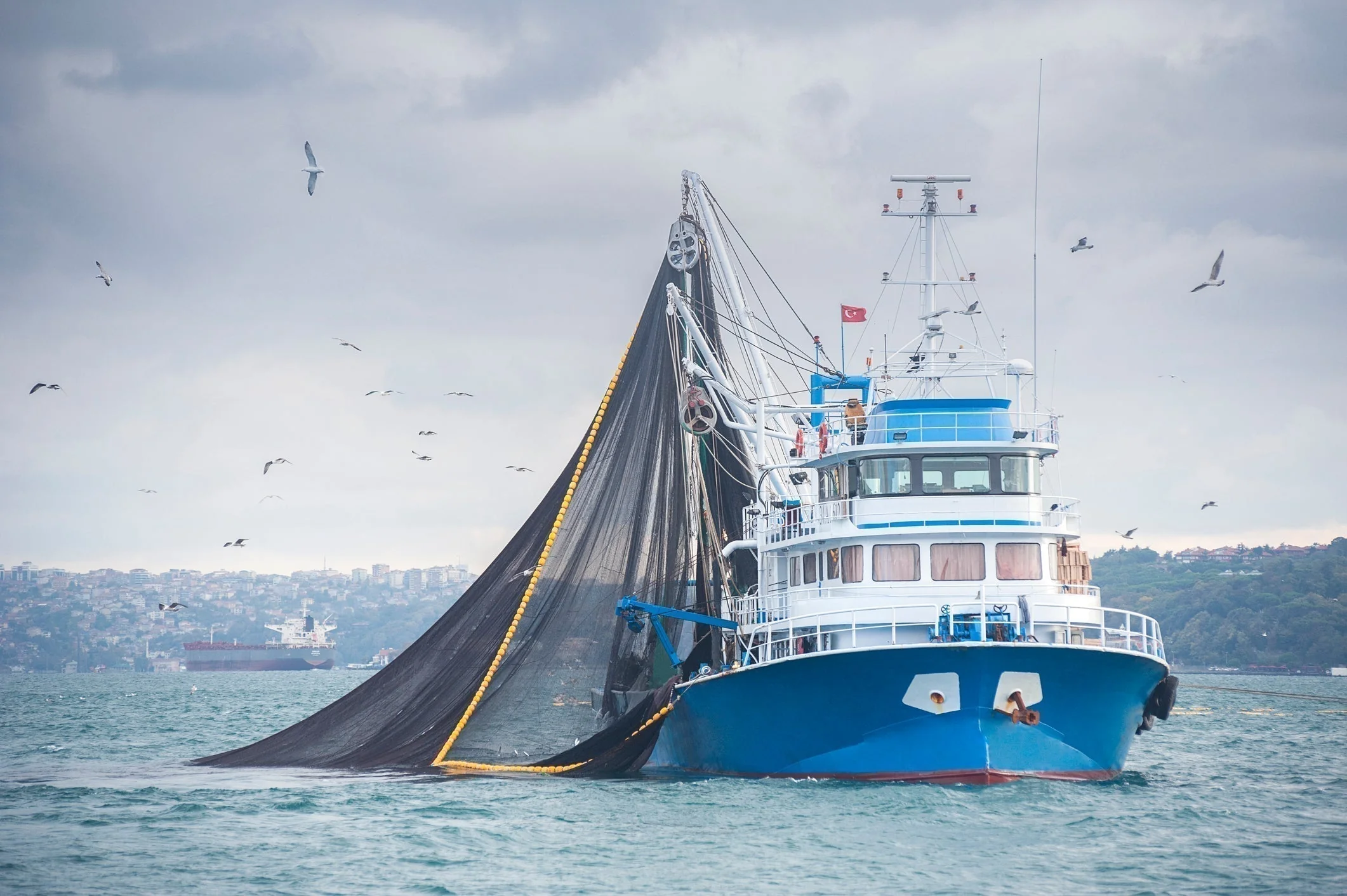
Overfishing happens when fish populations are harvested faster than they can recover. Modern fishing technology allows large fleets to catch huge amounts of fish in a short time, which removes not only adults but also young fish that have not yet reproduced. This makes it very difficult for populations to rebuild and maintain stable numbers.
When fish populations are pushed to the edge, the first impact is often on food availability. Species like Bluefin tuna, Orange roughy, Atlantic cod, and many shark species have declined so quickly that communities which relied on them must now search for new food sources or change their diets. As these species continue to shrink, the pressure on remaining fish increases which worsens the problem.
Why It Matters
Overfishing is one of the biggest threats to global food security. More than three billion people rely on seafood as their main source of protein, and many coastal communities have no alternative food supply. When fish stocks collapse, families lose access to affordable and nutritious meals which can lead to hunger and malnutrition.
Beyond food, healthy oceans also support biodiversity and important habitats, but the most pressing issue is that shrinking fish populations make it harder for millions of people to meet their daily nutritional needs. If current fishing rates continue, many regions could face serious food shortages which would also impact local economies and community wellbeing.
Solutions
There are many strategies that can help restore fish populations and protect global food supplies. These solutions rely on scientific data, strong policies, and responsible fishing practices.
Science based fishing limits help ensure that enough fish remain in the ocean to reproduce. Marine Protected Areas give damaged ecosystems a chance to recover so fish populations can grow again. Choosing seafood certified by MSC, ASC, or BAP encourages fishers to follow sustainable practices that maintain long term food availability.
Technology such as satellites and tracking devices helps prevent illegal fishing which removes fish from the food supply without regulation. Habitat restoration brings back essential breeding areas like coral reefs and mangroves. Responsible fish farming can also help by providing alternative seafood without putting more pressure on wild fish populations.
Challenges
Even though the solutions are known, many challenges make them difficult to apply widely. The biggest challenge is that millions of people rely directly on fishing for food. When fish become scarce, communities often increase fishing effort because they have no other way to feed themselves. This creates a cycle that is very hard to break.
Illegal and unreported fishing also removes massive amounts of seafood from the ocean, often in areas that are difficult to monitor. Many governments do not have enough resources to enforce regulations. Countries sometimes disagree on how to share fish populations that cross borders which slows down progress. Rising demand for cheap seafood puts even more pressure on wild stocks, making it harder to protect the food security of vulnerable communities.
Get Involved
You can help protect global food security by supporting healthy oceans. Every choice you make, even far from the coast, contributes to the future of seafood availability. You can explore helpful organisations at
WWF Australia,
Marine Stewardship Council, and
Sea Shepherd.
You can learn more about overfishing and share that knowledge with others so more people understand how closely the ocean is connected to food security. Choosing sustainable seafood supports fishers who are working to protect future supplies. Reducing plastic waste prevents damage to marine life that communities depend on for food. Volunteering for beach cleanups, conservation activities, and school projects helps protect the habitats that fish need to survive.
You can also make a difference by encouraging others to care about where their seafood comes from, supporting companies and restaurants that follow responsible fishing practices, and taking part in community events focused on ocean conservation. Small actions like these add up and help ensure that future generations will still have access to healthy and reliable food from the ocean.